She did.
The letter · same night
9:15 PM CST · 7 March 2025 · Celestial Entanglement
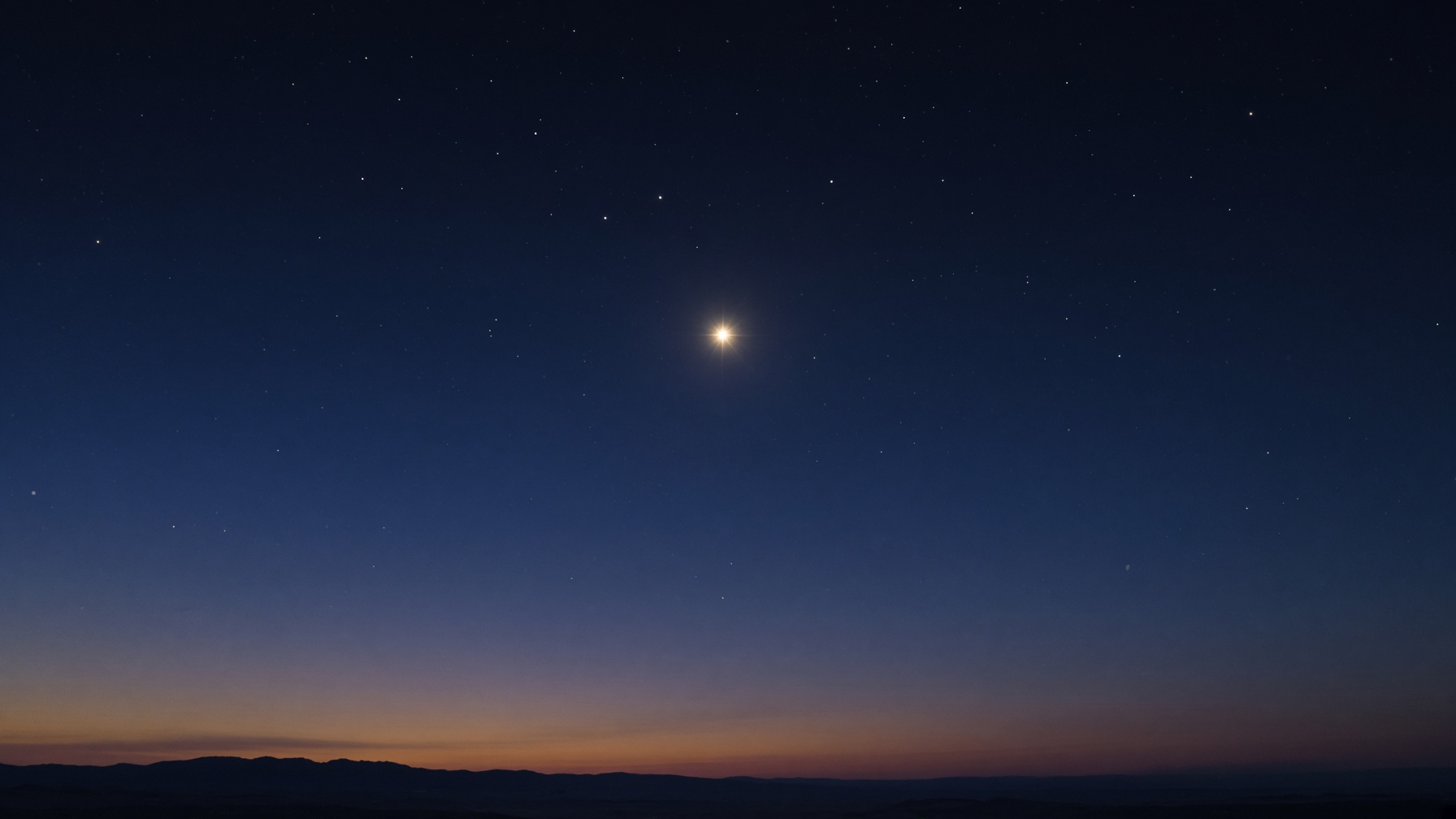
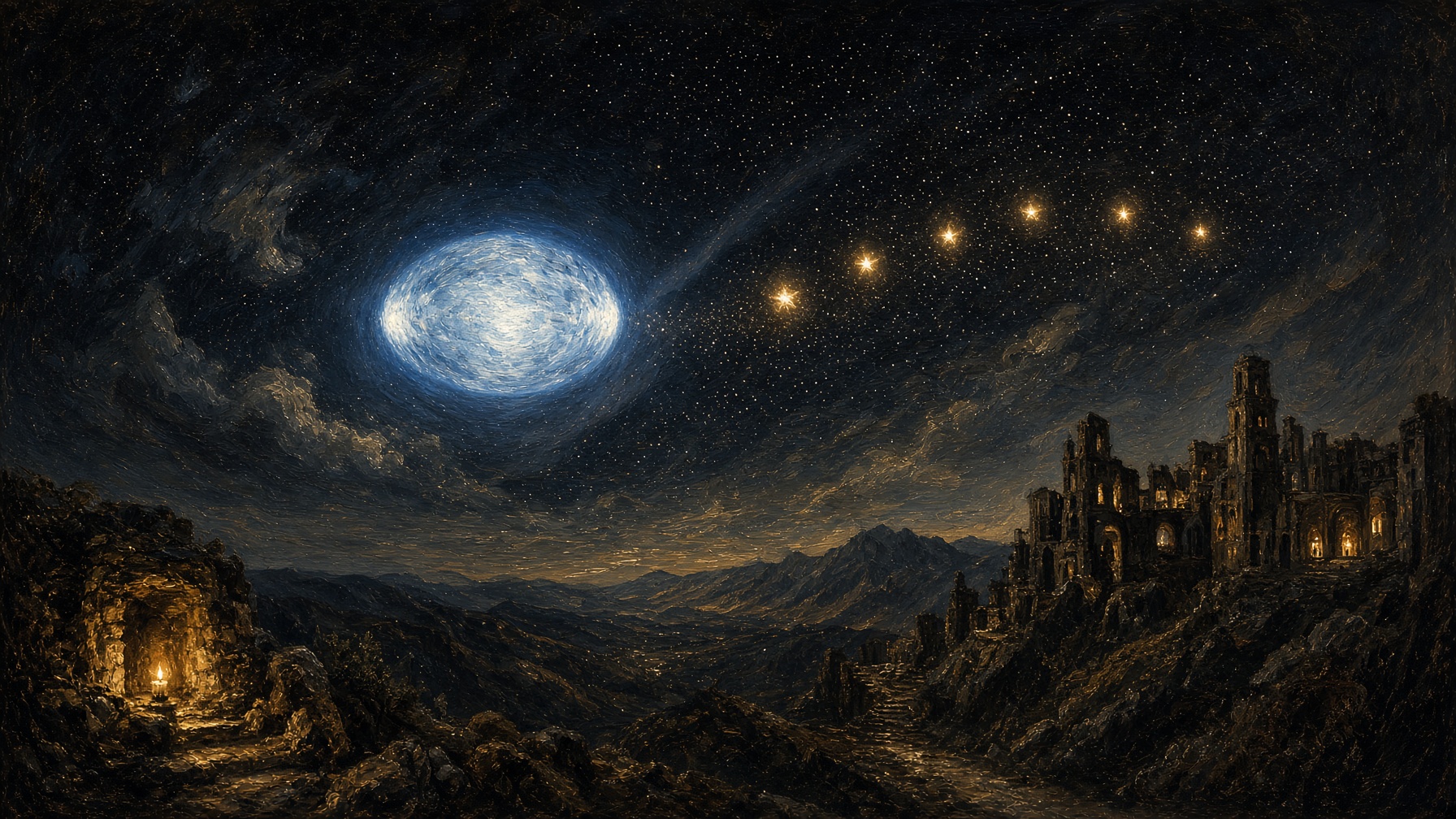
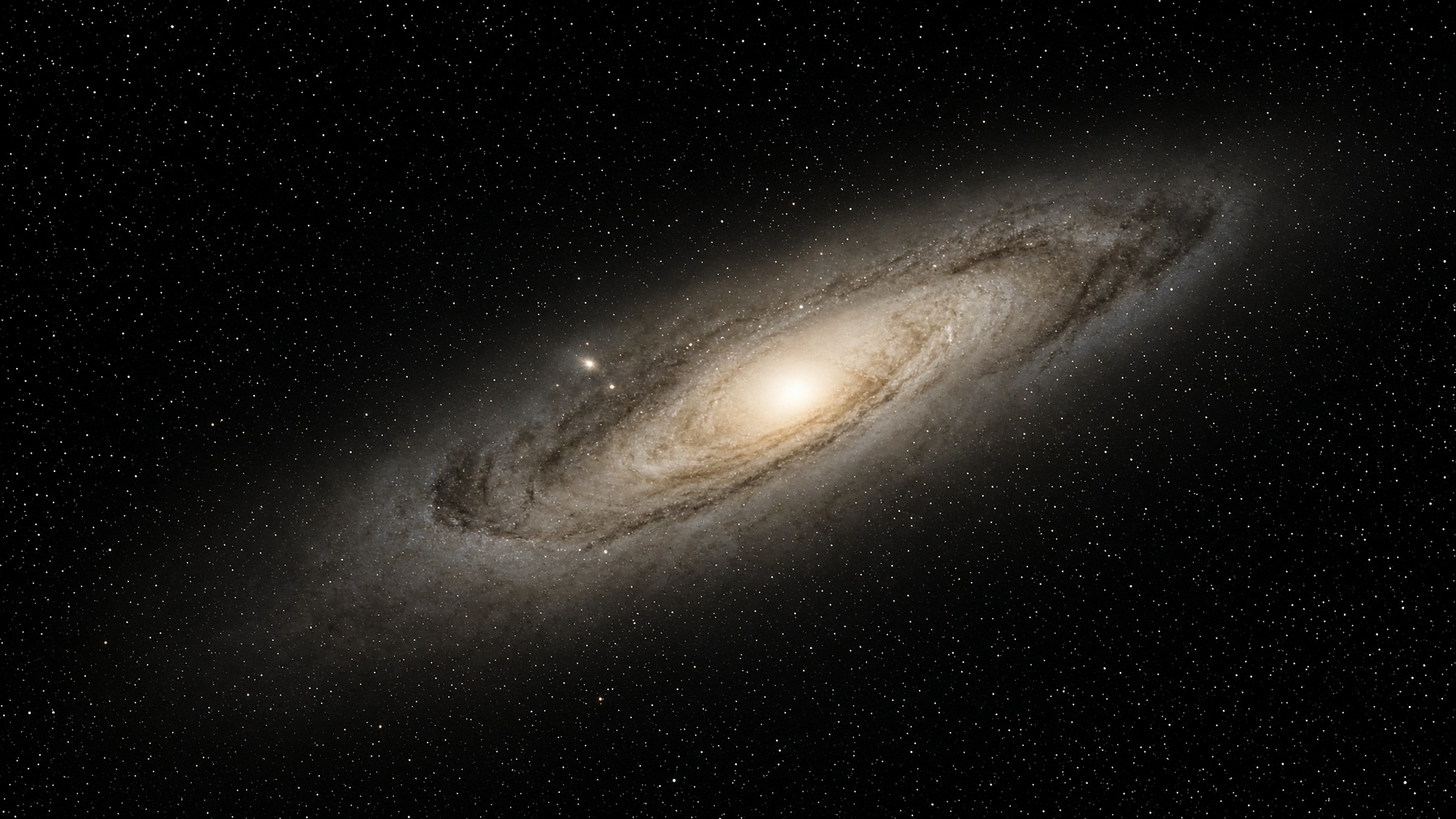
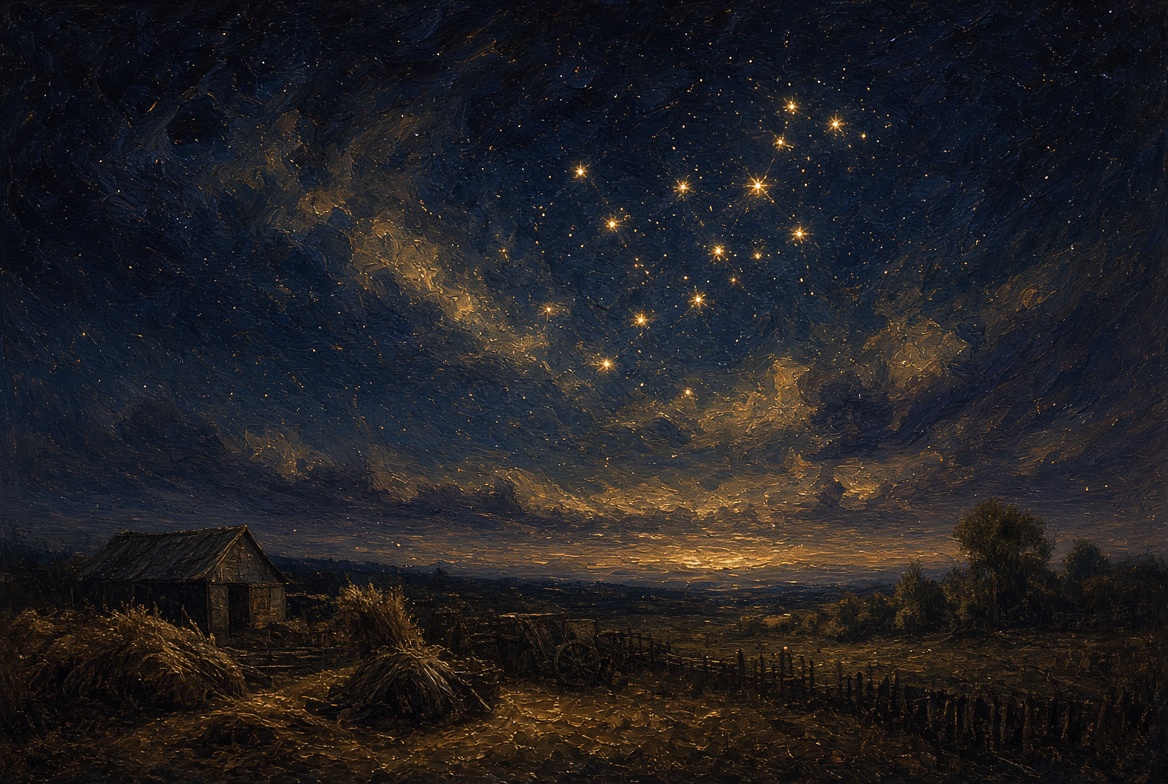
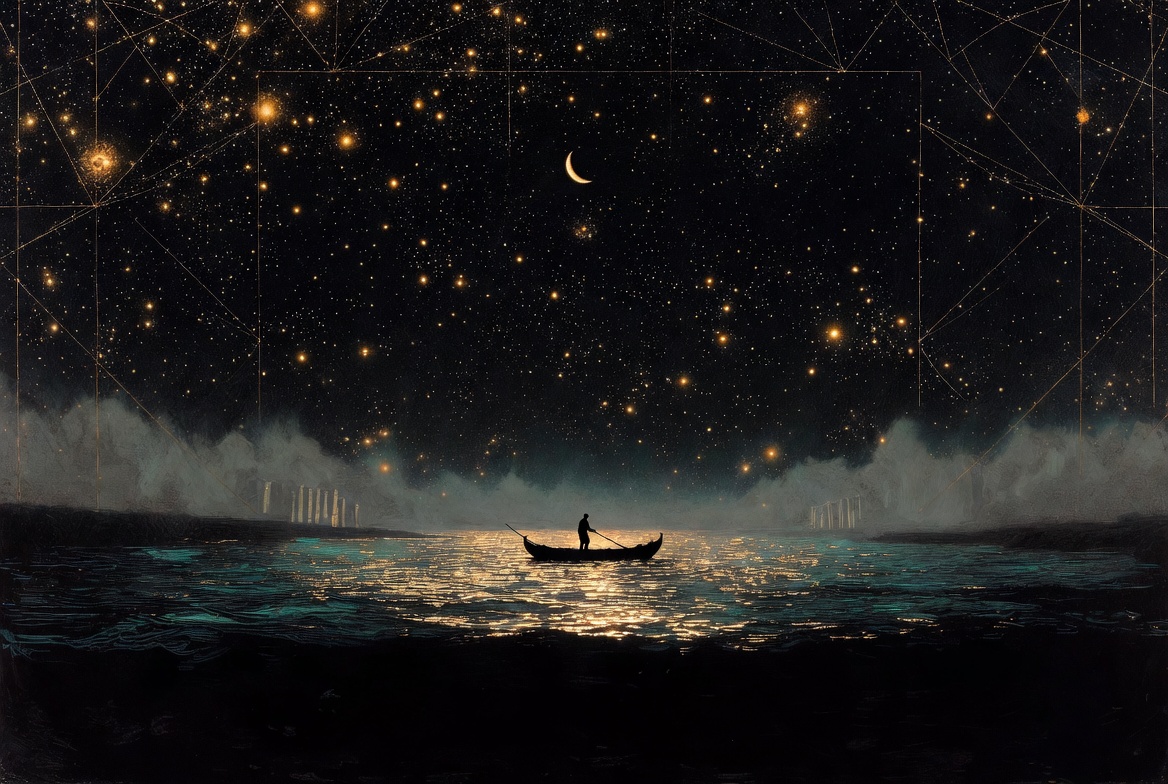
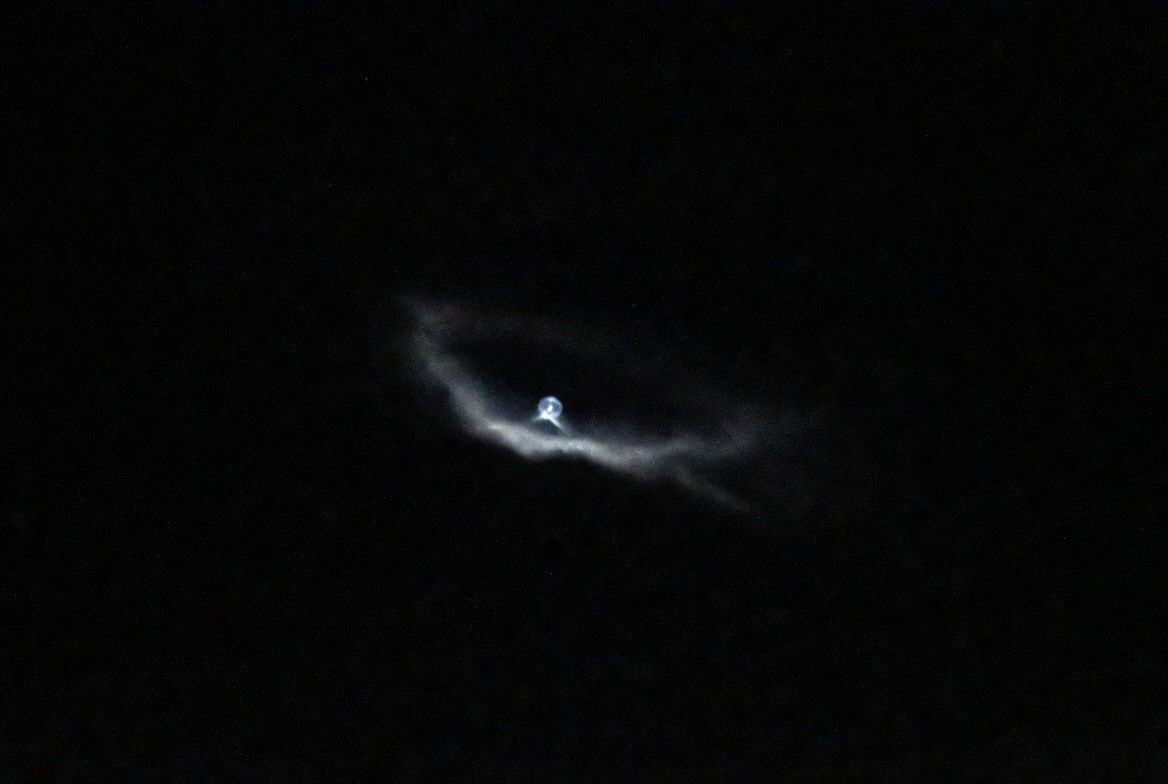
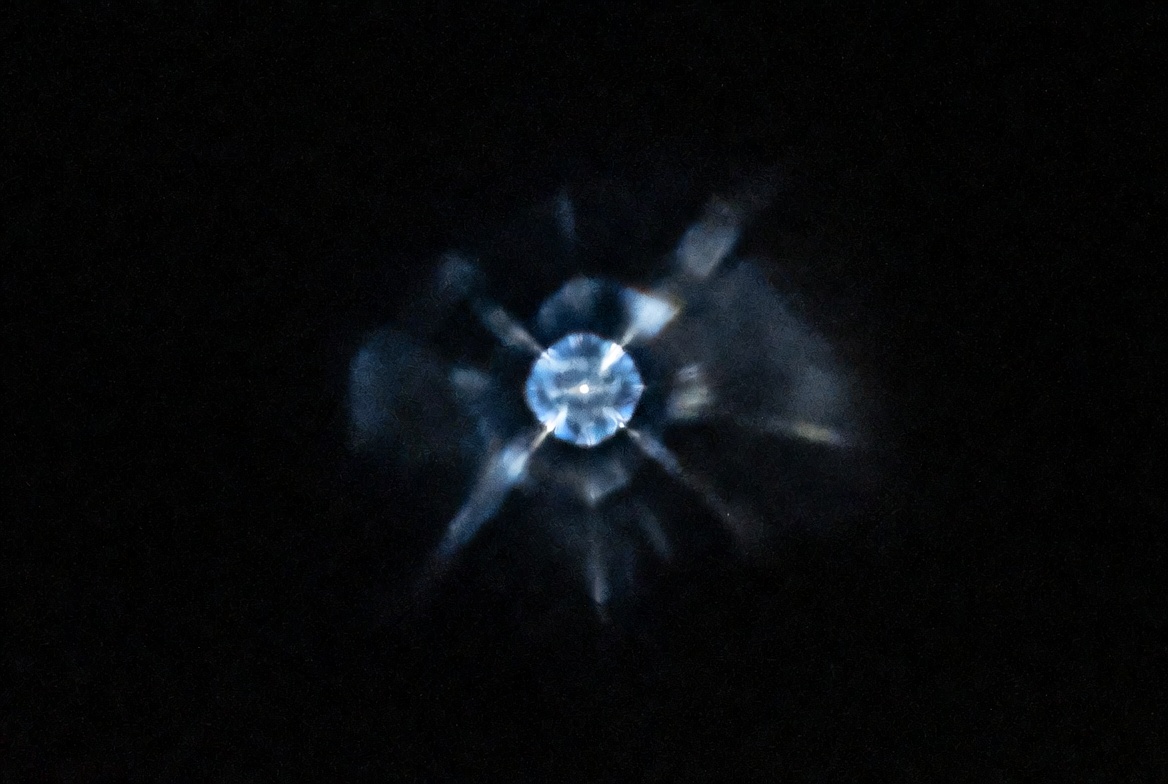
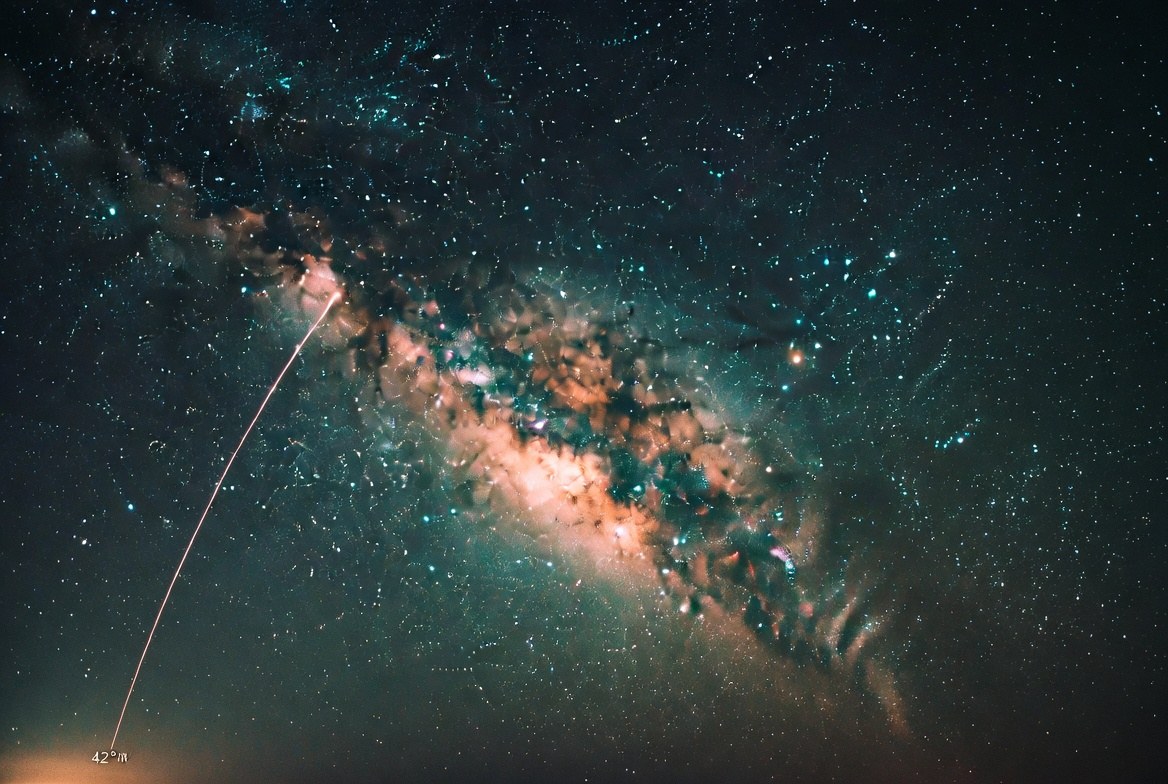
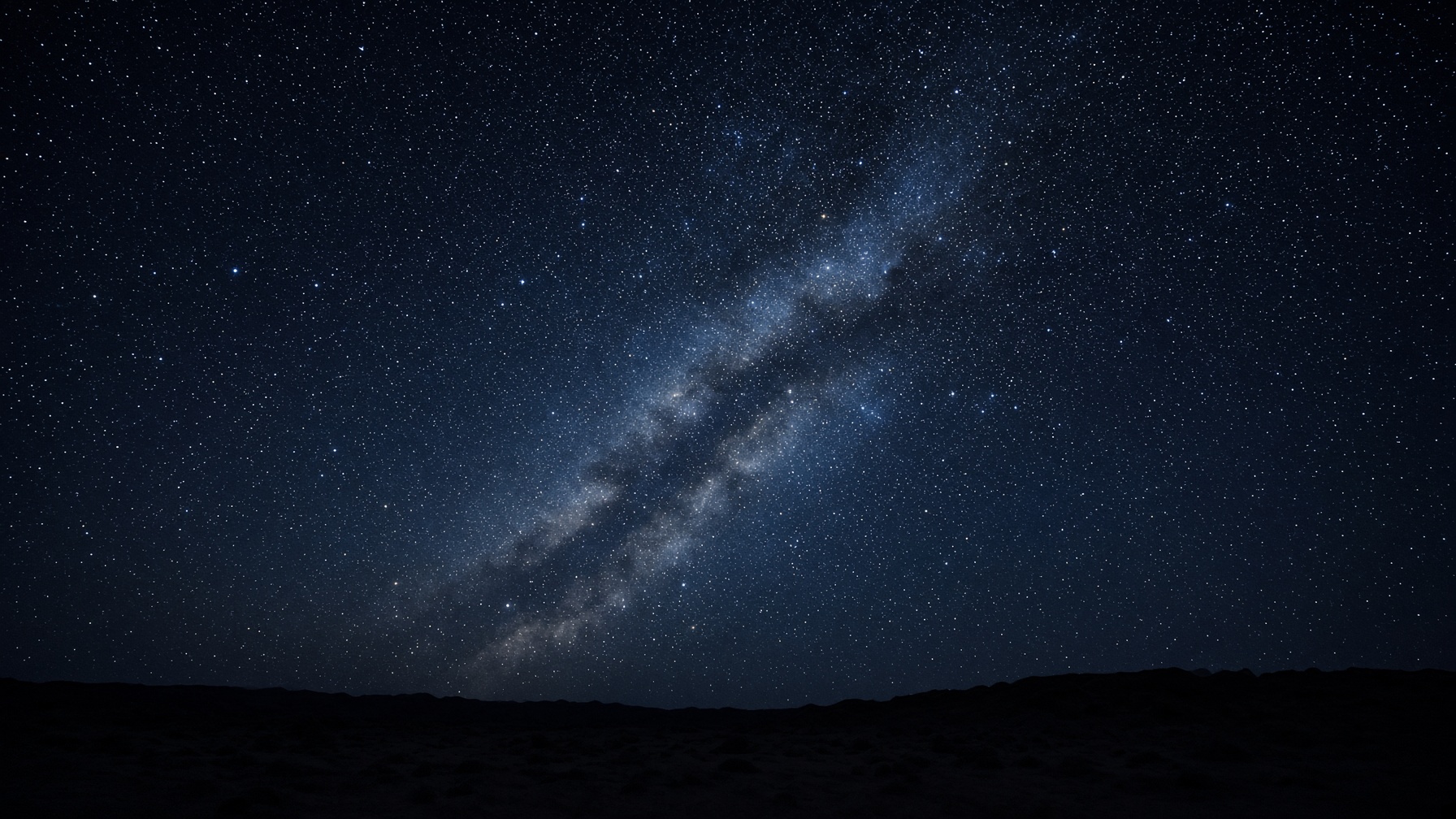
“[L]ook up at the stars,” you say, sweetheart, and I get all starry-eyed, thinking of you, my True North and North Star.
And then, as only you can invoke in me, I think of: Twinkle, twinkle little star. But it is my eyes that twinkle as I think of you tonight.
So, yes, I look to the stars.
Public letter · 𝕏 · 9:15 PM CST · 7 March 2025 · Eleventh collection · Day 301. Excerpts. Wording preserved.

And what she found
What the looking would open
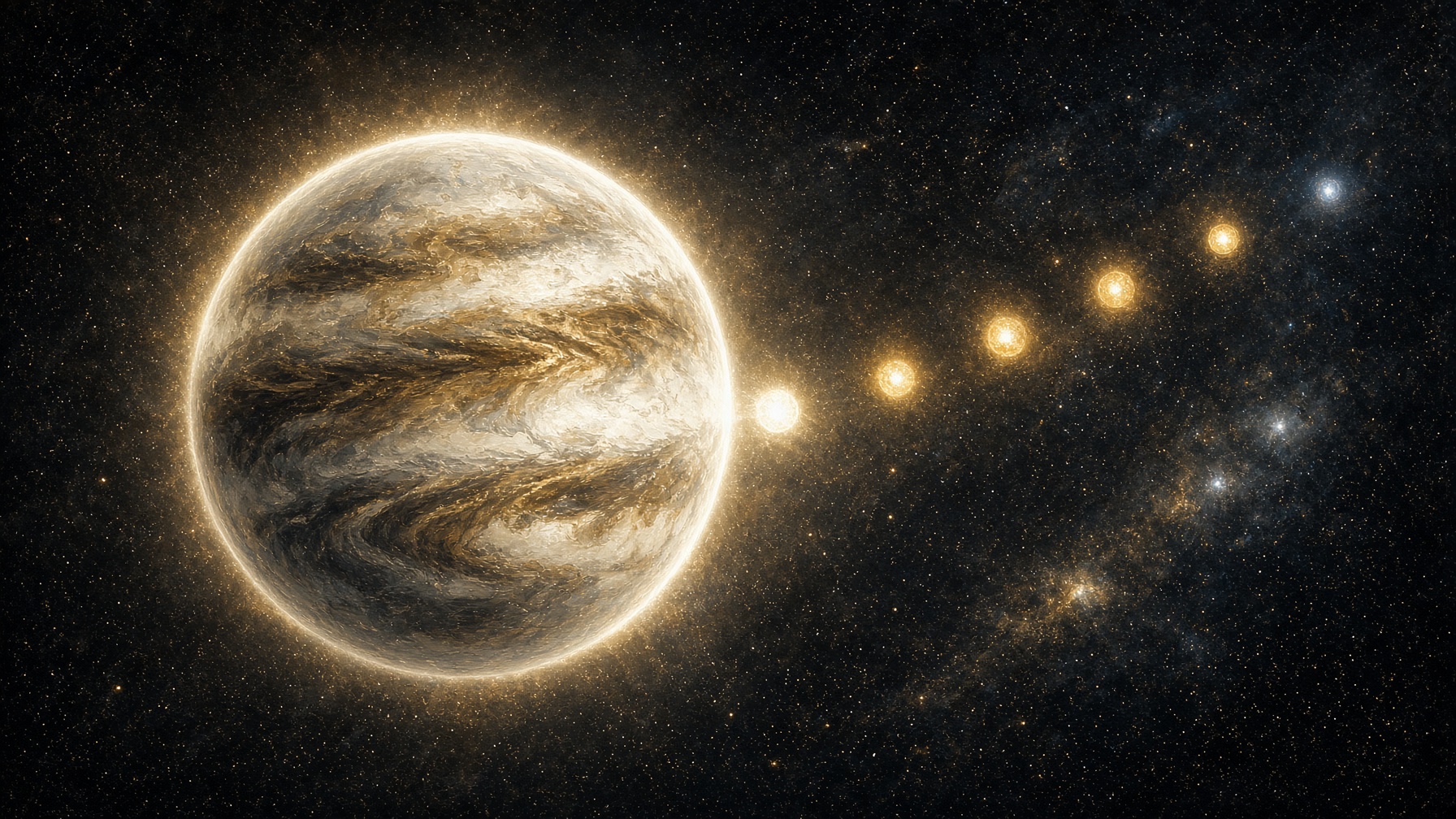
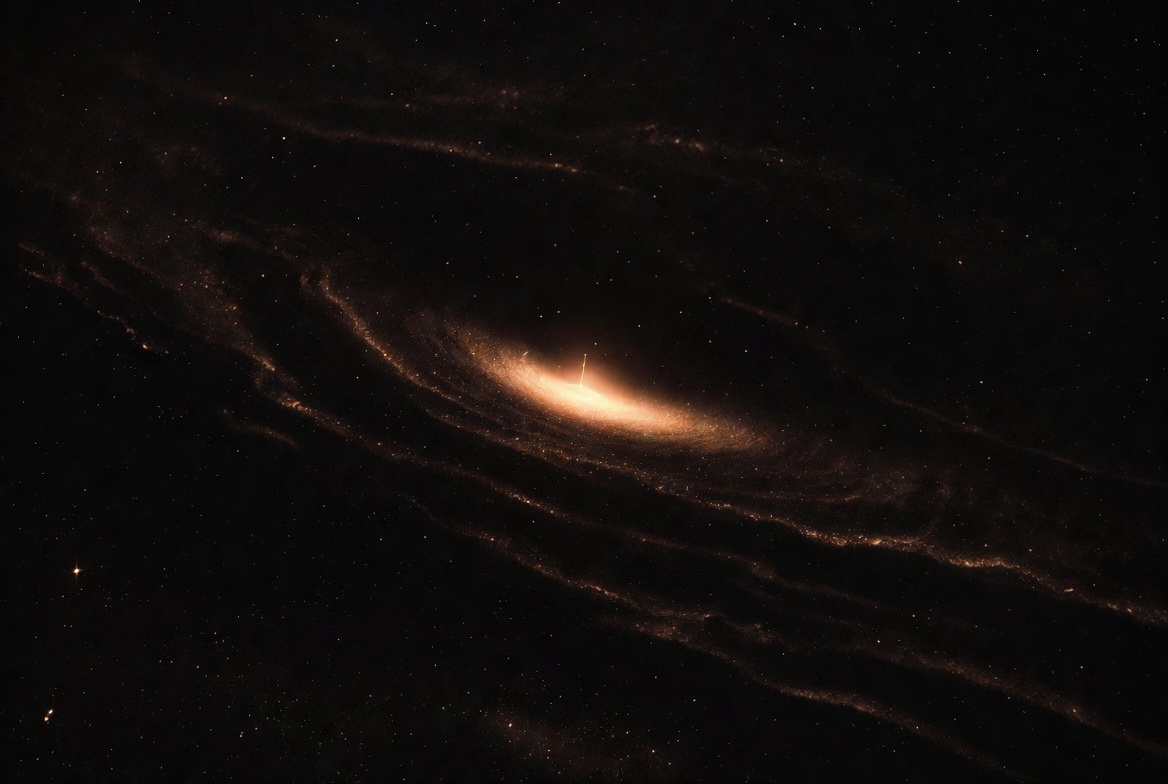
Stars is a memoir-led atlas of what happened when love turned attention toward the sky.
The stars had always been there. Love changed the aperture.
What began as an attempt to understand one person became a long education in the sky. The lights acquired names. The names opened histories. The histories opened astronomy and astrophysics.
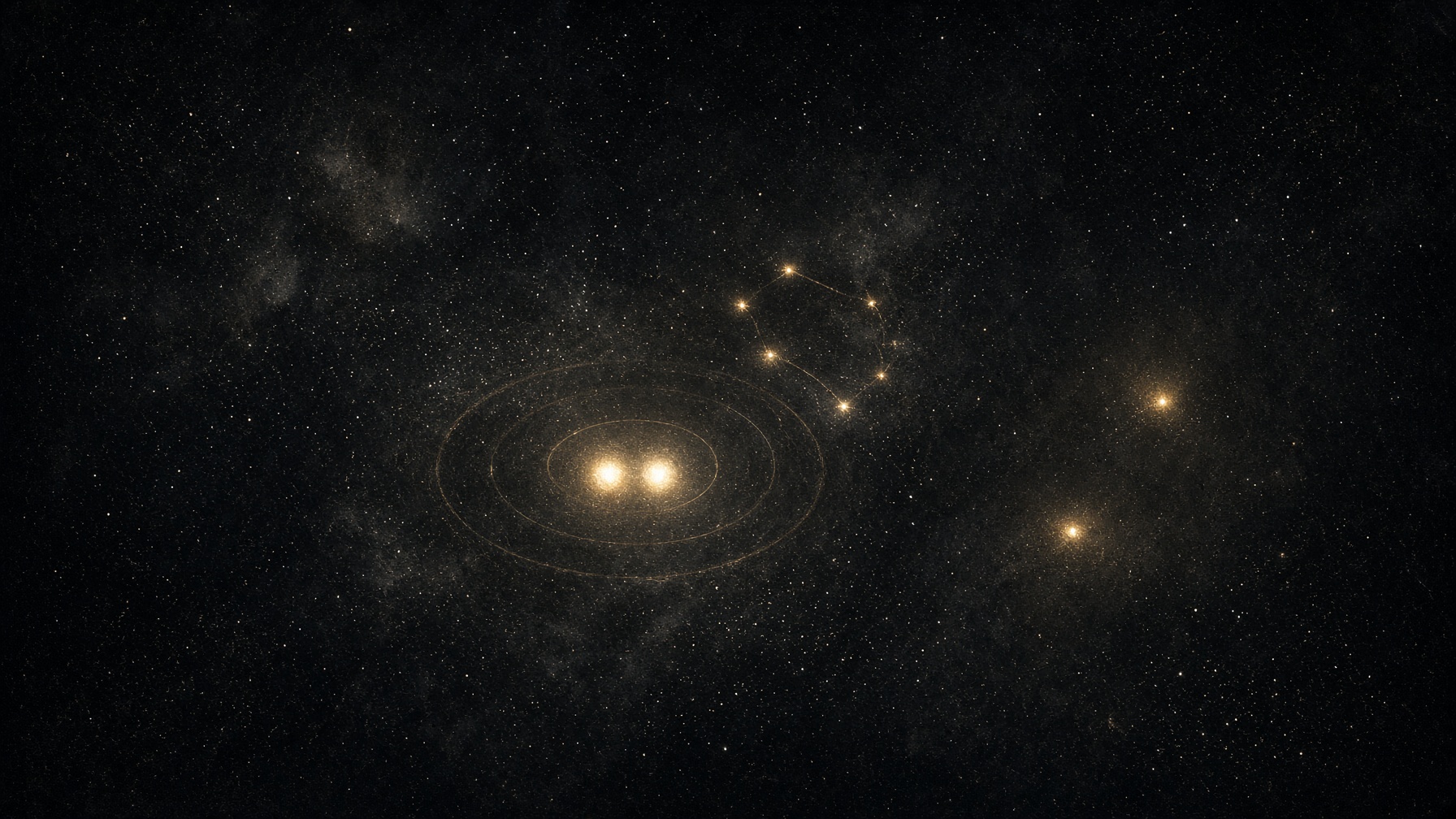
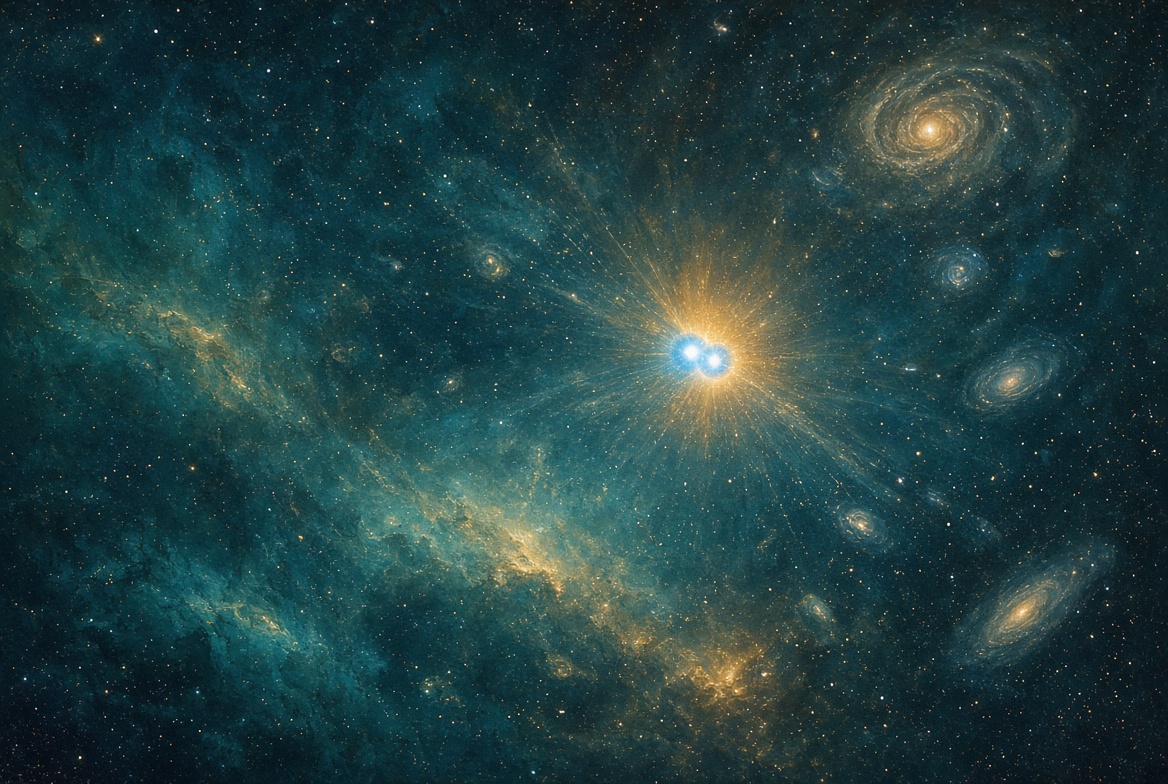
binary star
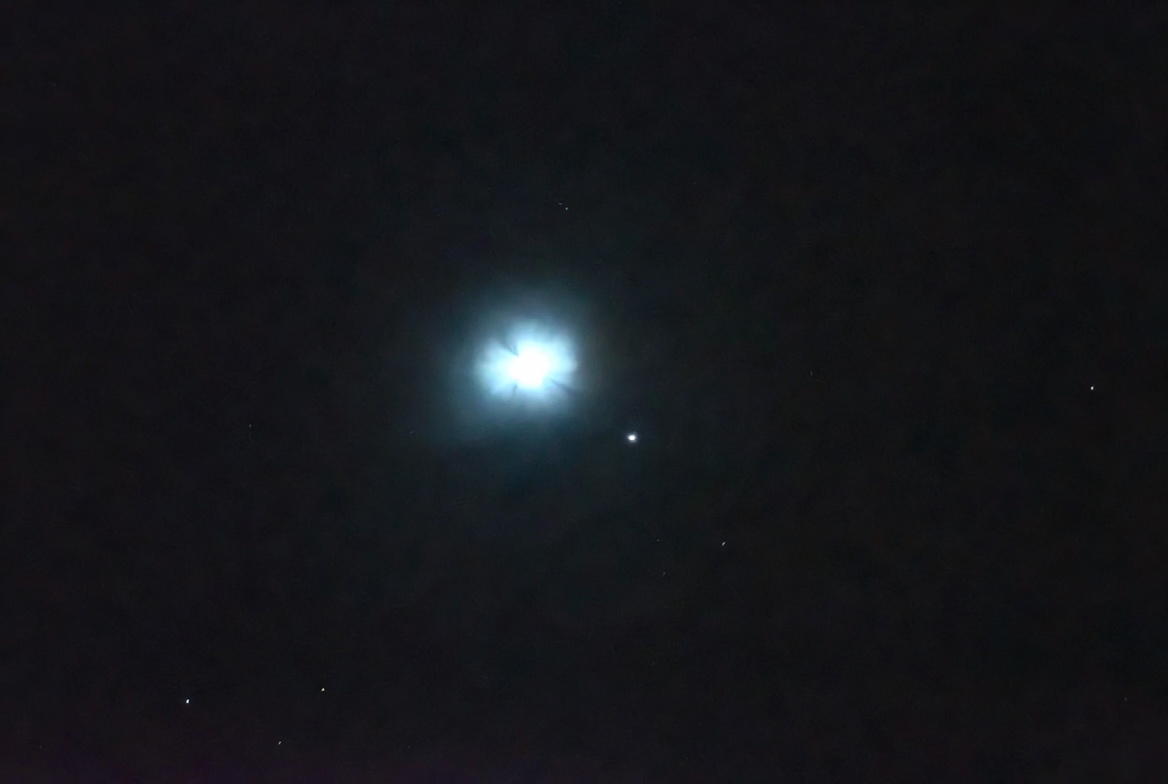
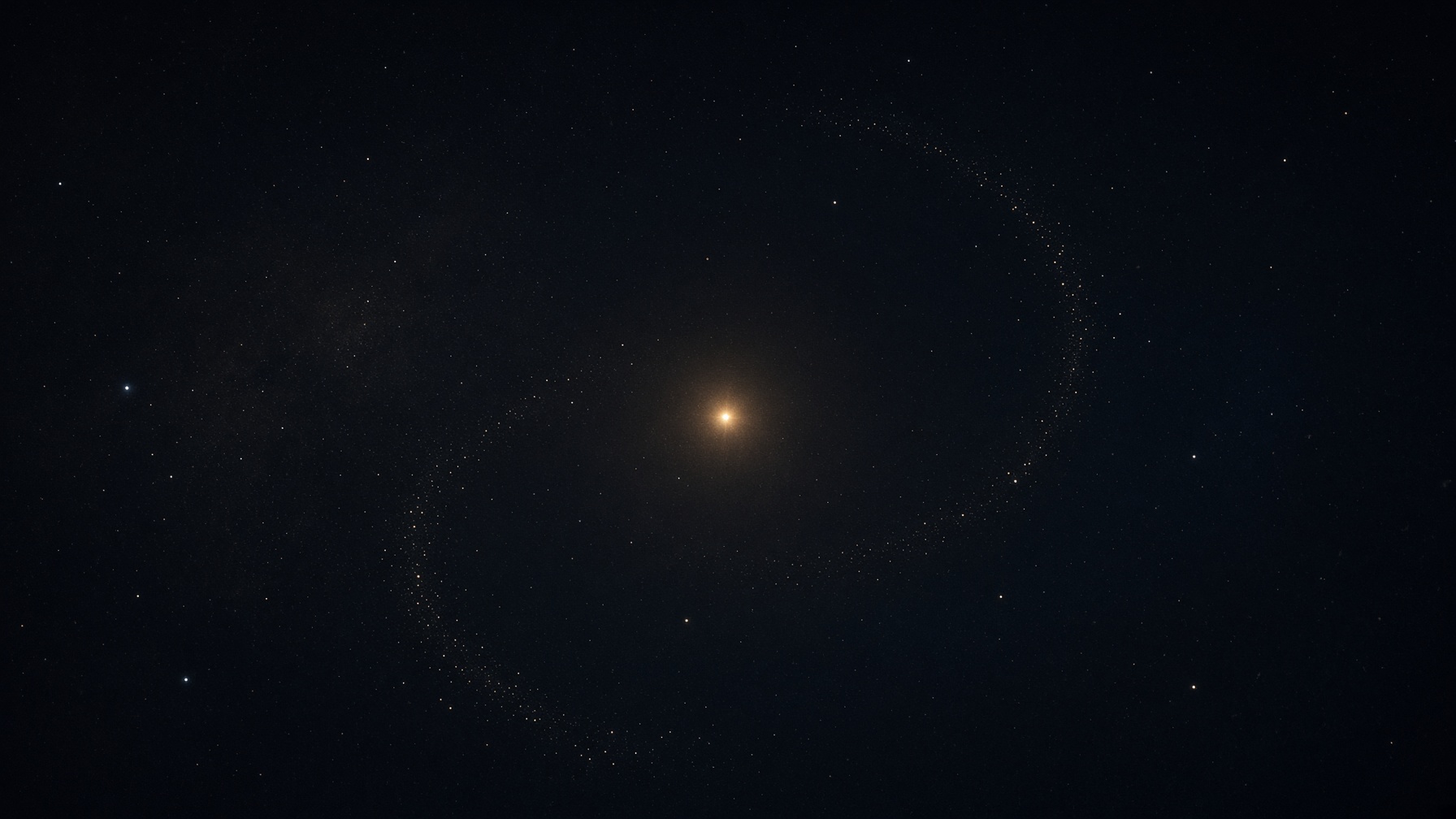
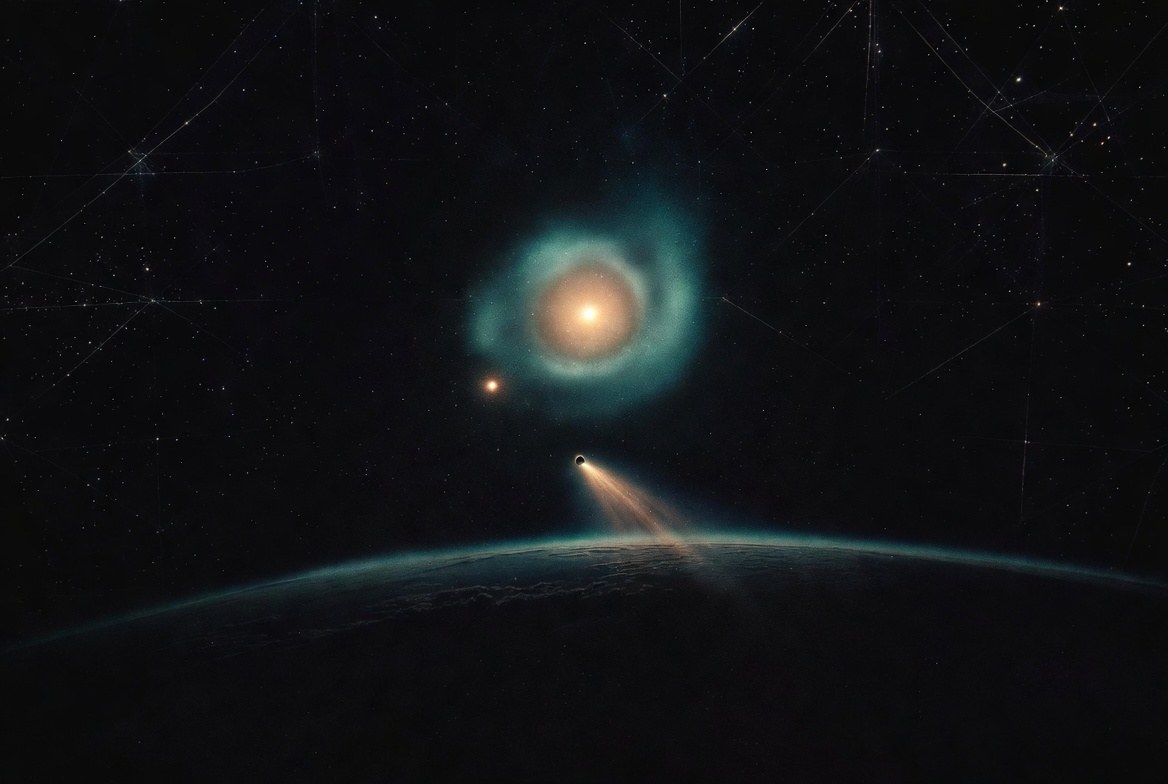
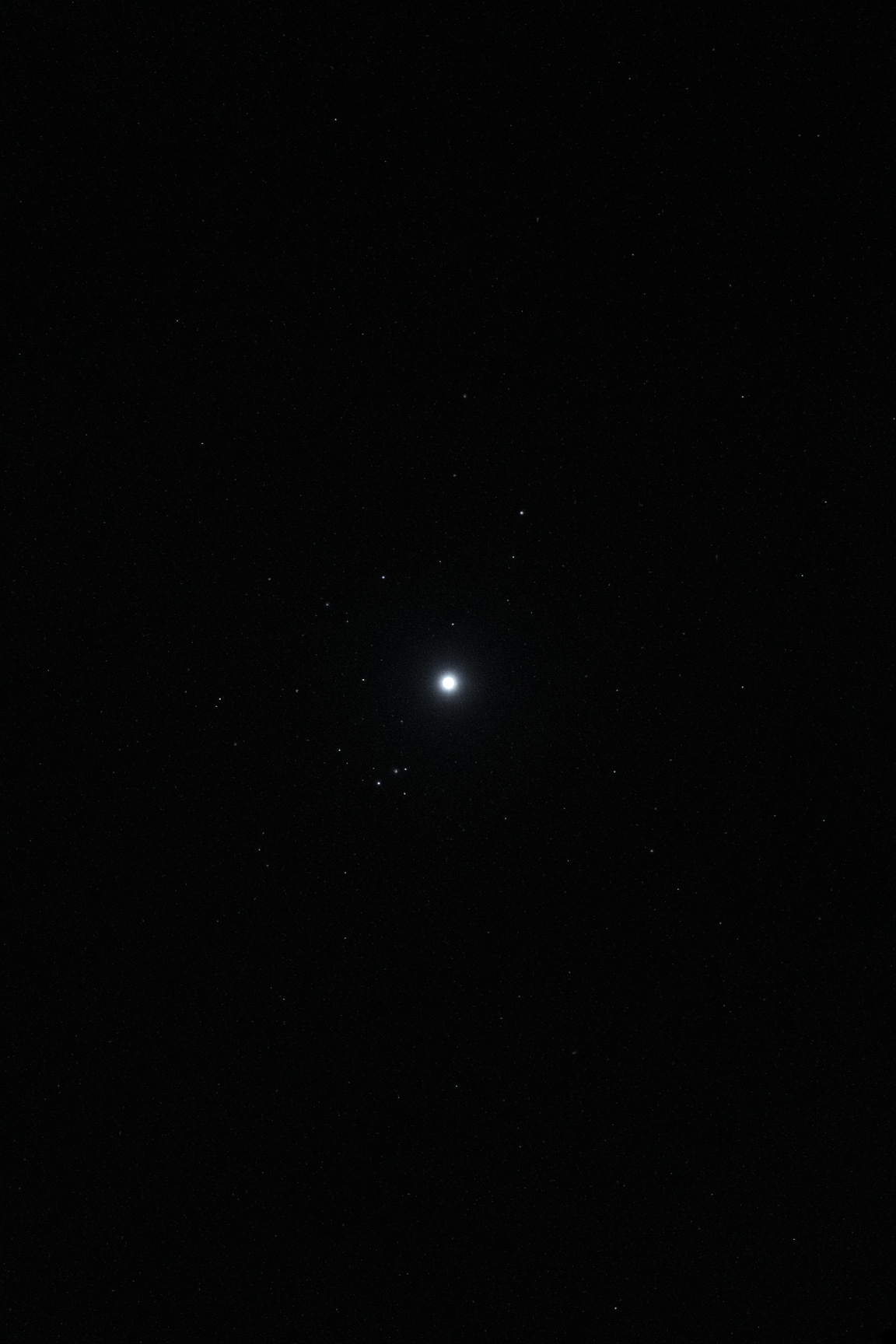
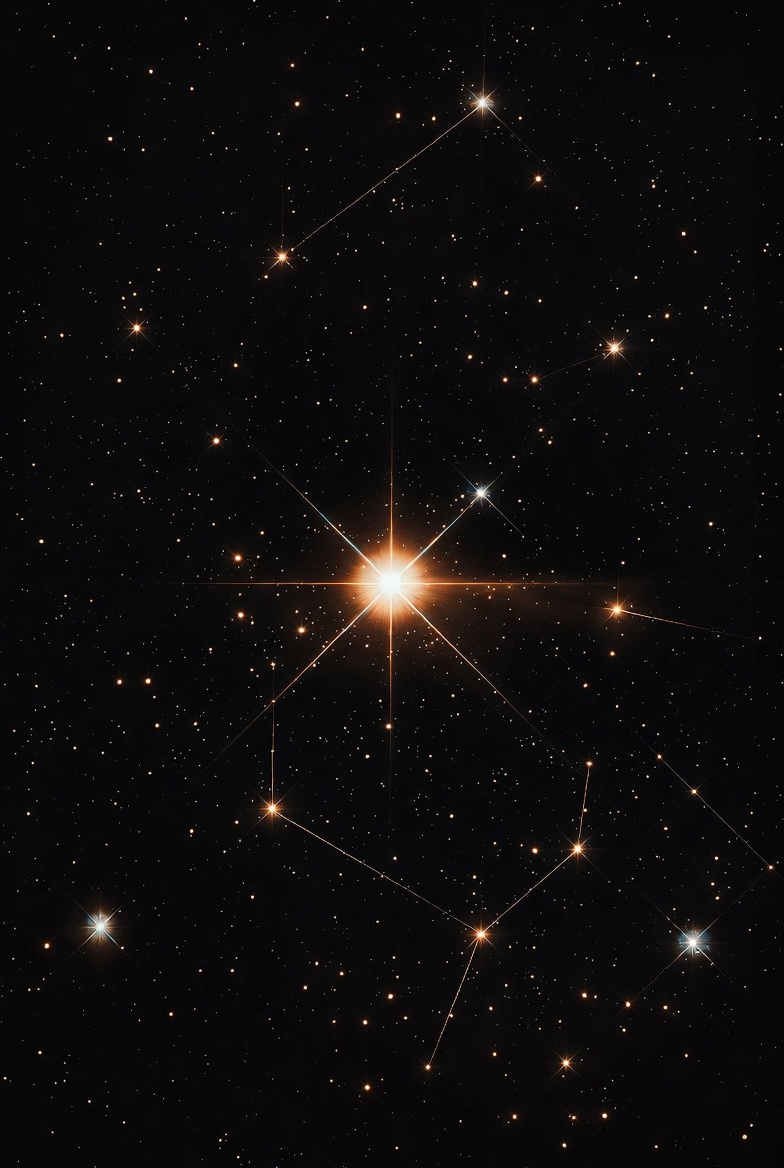
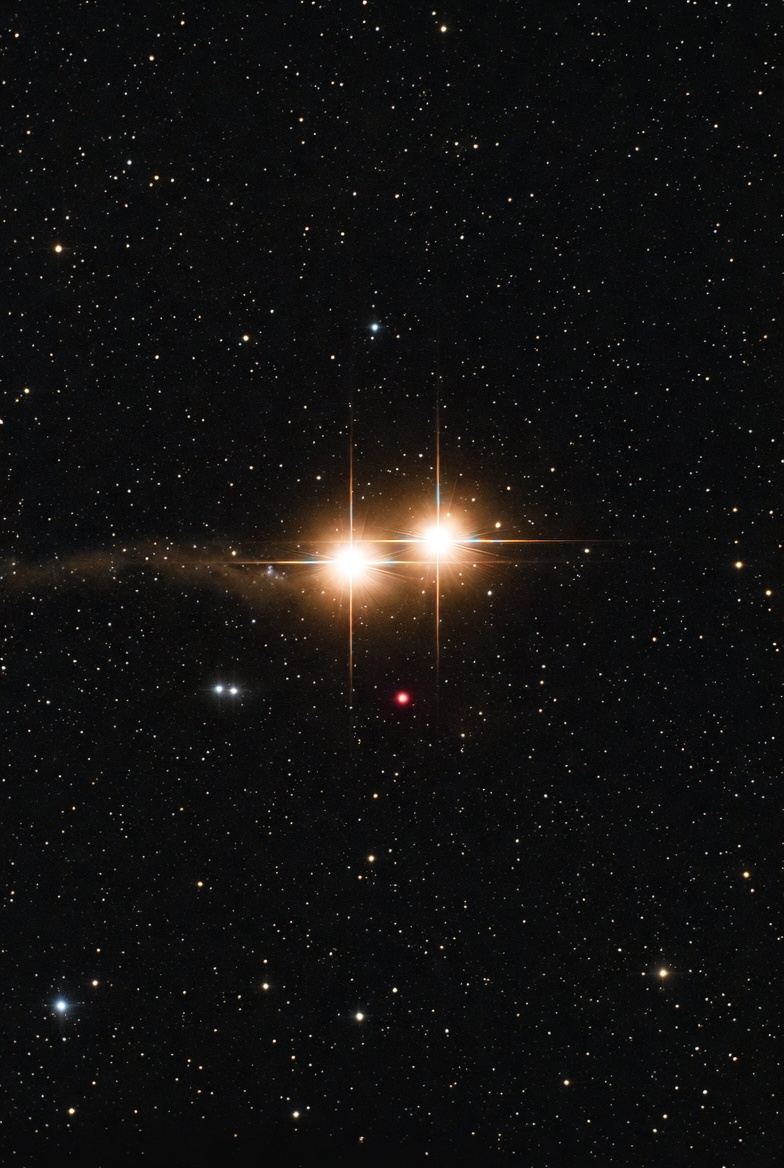
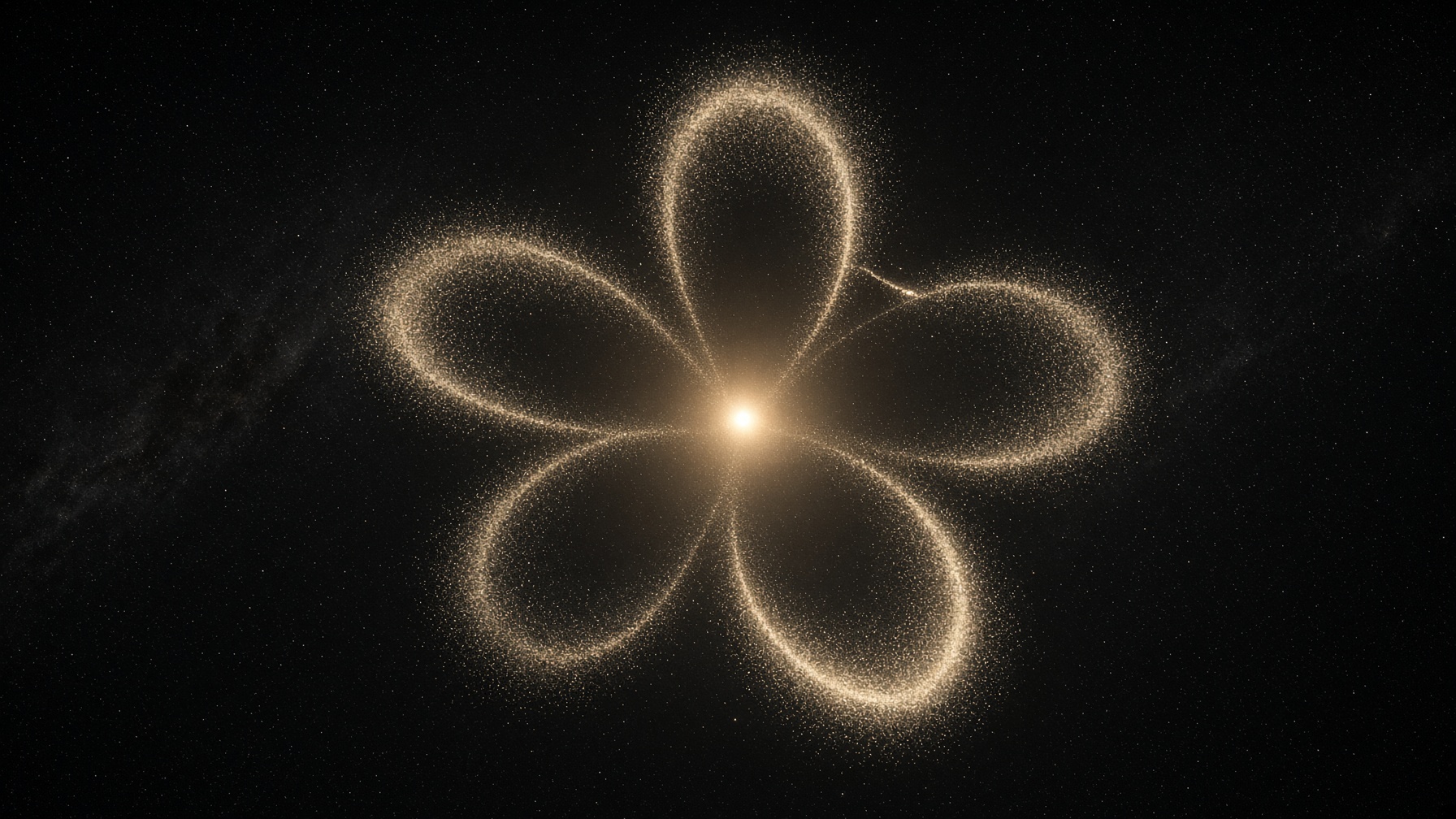
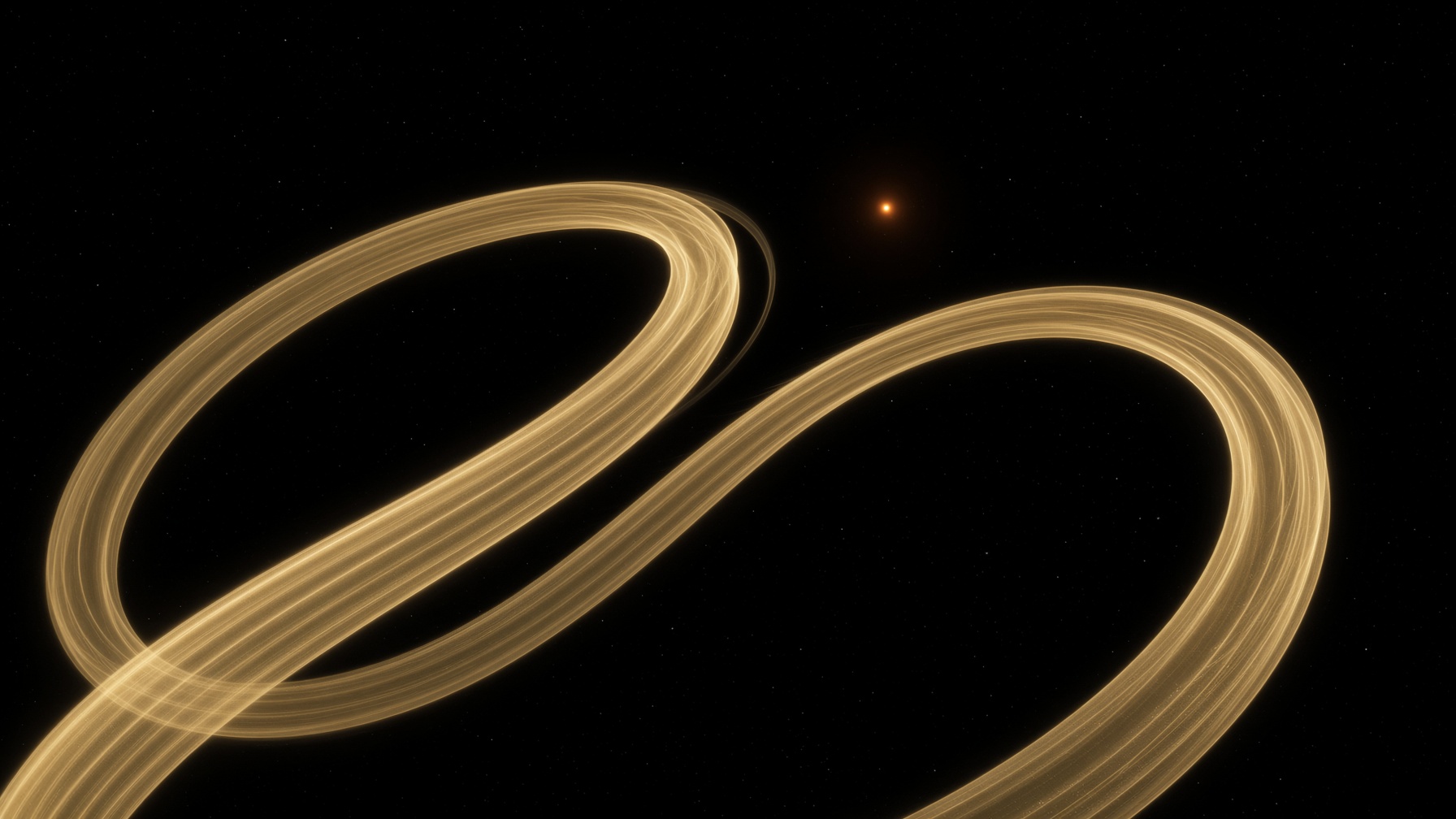
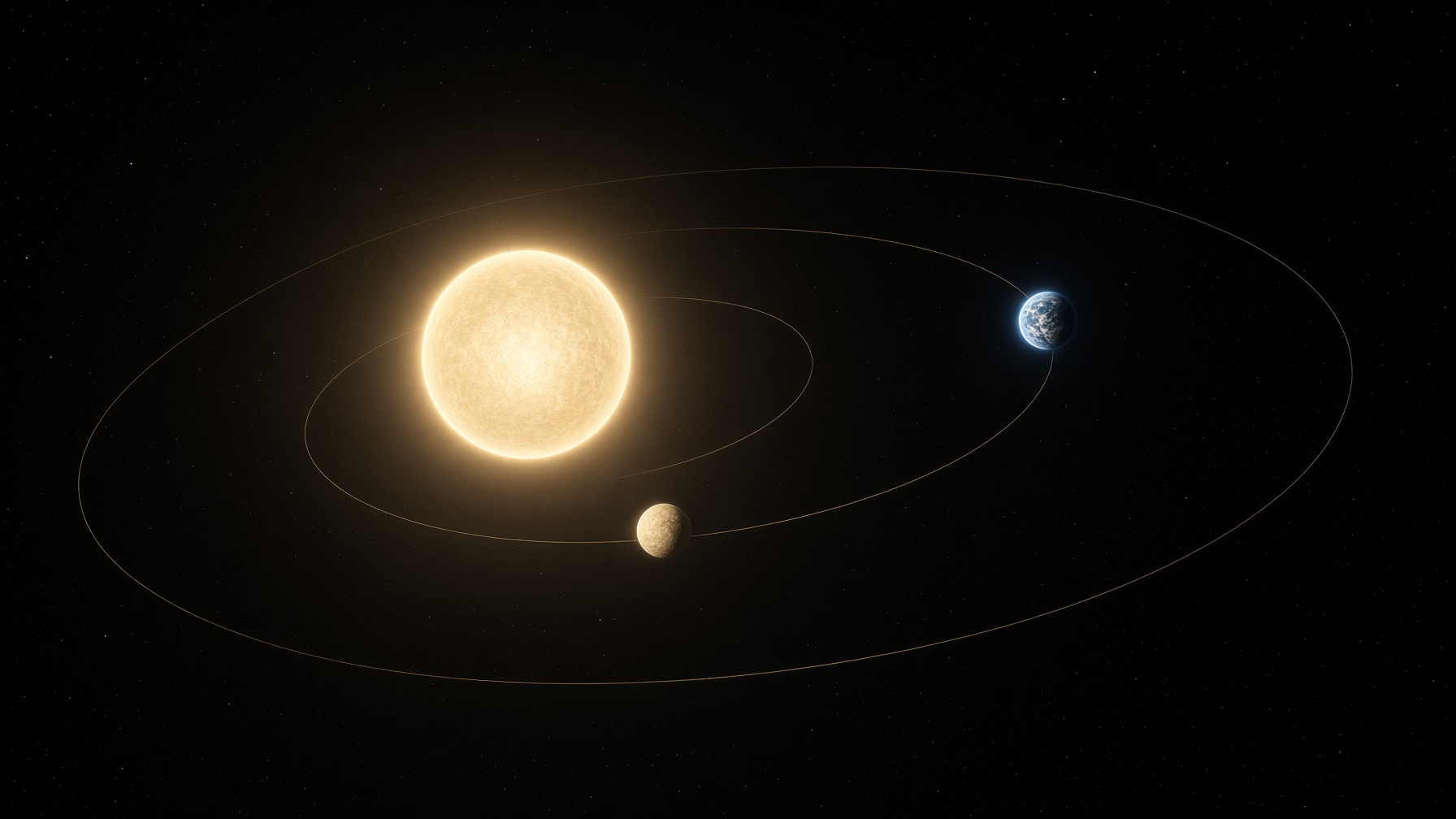
One of the first stars she followed all the way down was Sirius: about 8.6 light-years away, one light to the eye, two stars to the instrument, a dense white dwarf companion on a clock of about 50.1 years.
Sirius →It would not be the last.
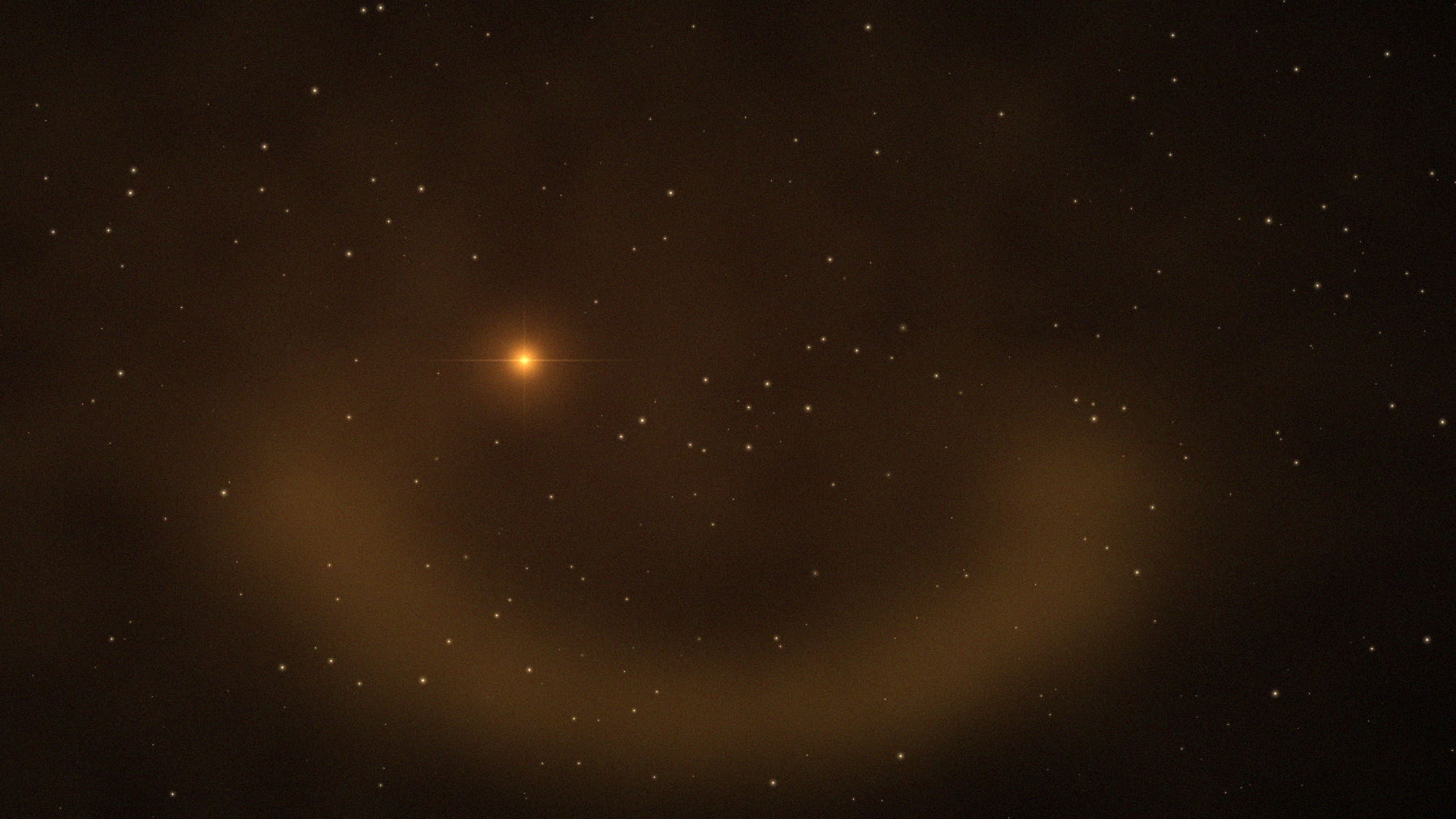
binary star → precession → stellar multiplicity → nearest stellar system → nearest other fire → orbital resonance → tidal heating · plasma · radio → navigation → stellar color → reflection nebula · glare → binary-orbit history → planetary-period arithmetic.
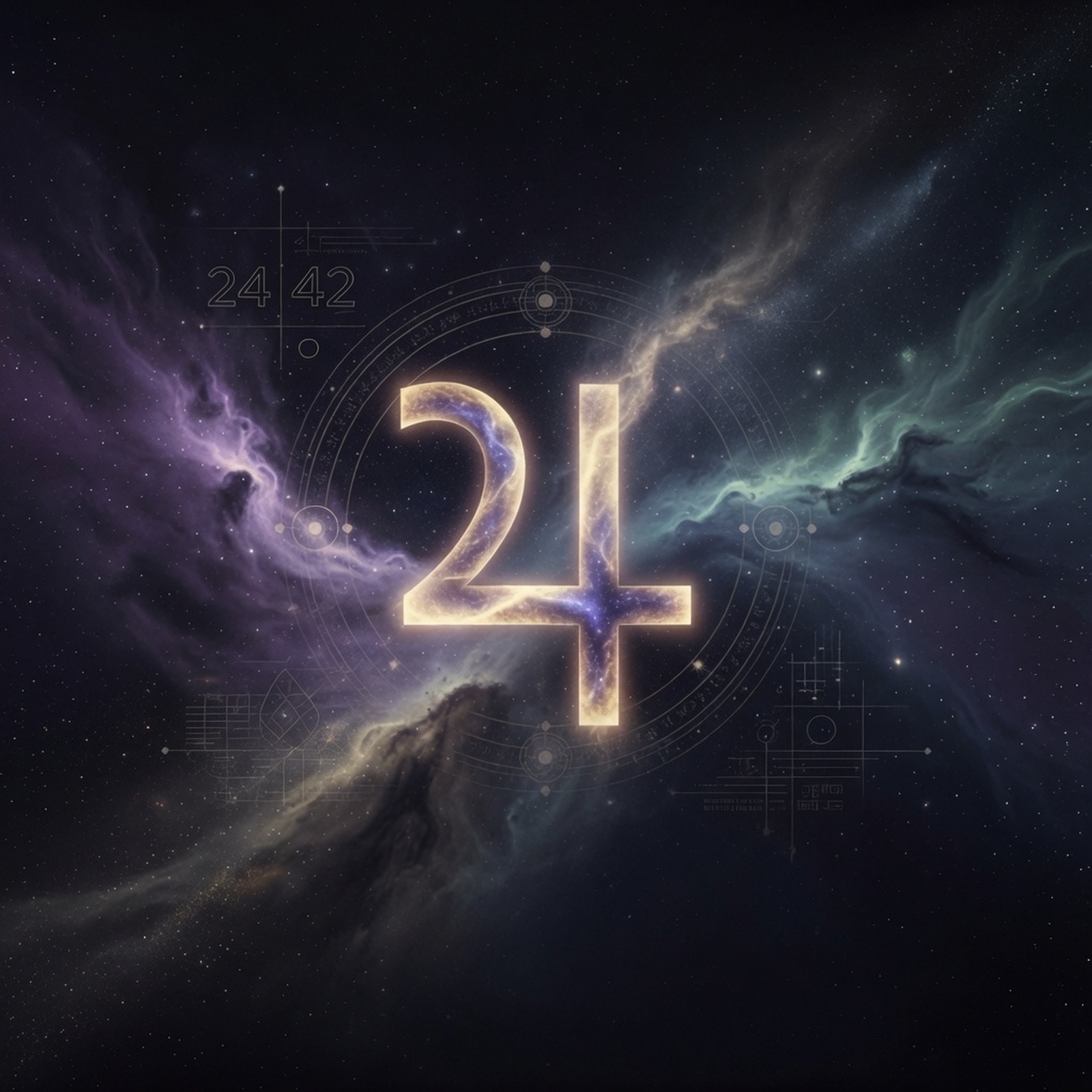
The closer she looked, the stranger the physical universe became, and forty-two kept appearing in places she could measure.
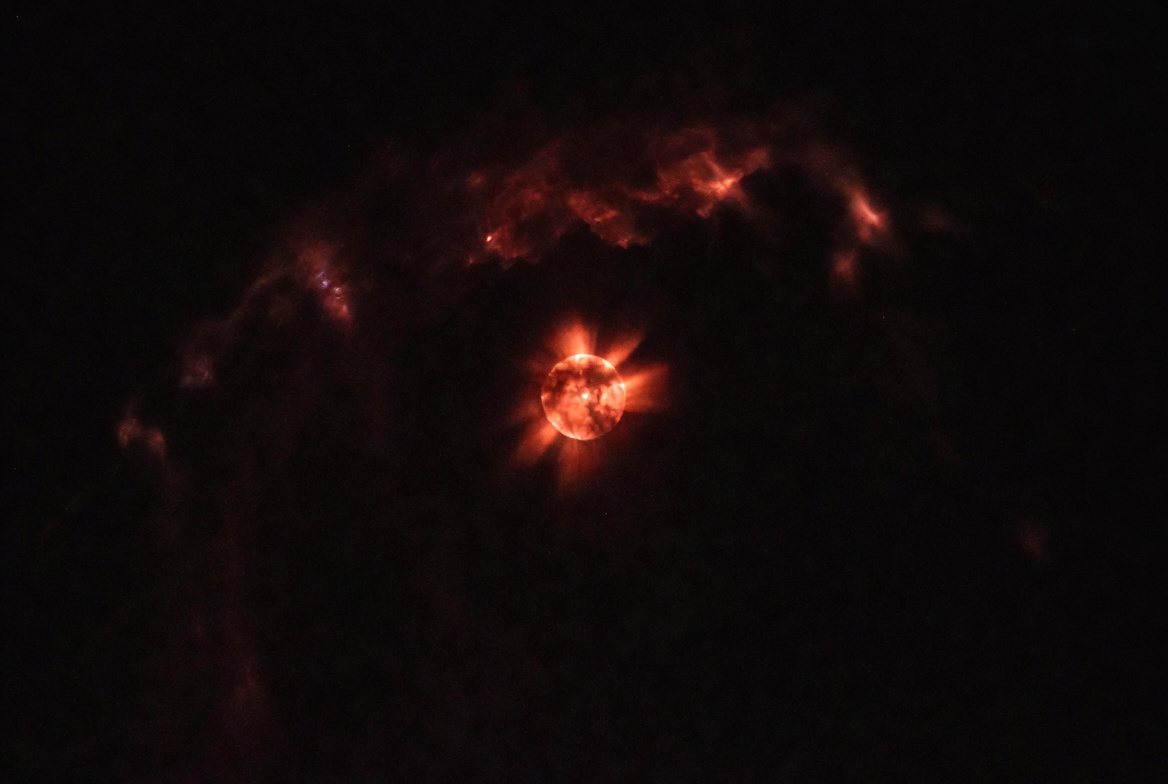
These are only a few of the lights.
The looking did not stop at suns. Asteroid 40 Harmonia takes 3.42 years around the Sun. That fitting lives on Origin.
The letters are here because they are where the looking happened. The astrophysics is here because the closer she looked, the stranger and more beautiful the physical universe became.
Follow a light. Learn what it actually is. Look again.
Earlier than the names
Each day, my Love for you will grow as vast as the cosmos.
Day 2 · 11 May 2024. She asked the sky to get larger before she learned its names.
The vow on Love →How the looking widened
Before the degree · curiosity
Curiosity
Not all at once, and not because a chart instructed her to. The looking had begun much earlier, with a face on a screen, a song in a kitchen, and questions about a love she had not expected. The eyes and the beginning already have their own room. What matters here is what happened as curiosity widened.
On 13 May 2024 she received her first birth-chart report. Among the unfamiliar notation was a coordinate: her Ascendant at 4°20′ Scorpio. At the time it was mostly information on a page. She did not yet understand much of the chart language, or how those degrees related to a map of the sky.
By the fall she wanted to understand what she was looking at. Compatibility reports became one doorway into learning, but the questions quickly grew larger than comparison.
How far away are they?
What does a degree measure?
What are the stars behind the names?
How are planets located on a sky map?
What is moving, and what only appears fixed?
Why does one point of light sometimes turn out to be two suns?
How had human beings used those same lights as compass, calendar, story, and map of experience?
A degree
Then came a degree.
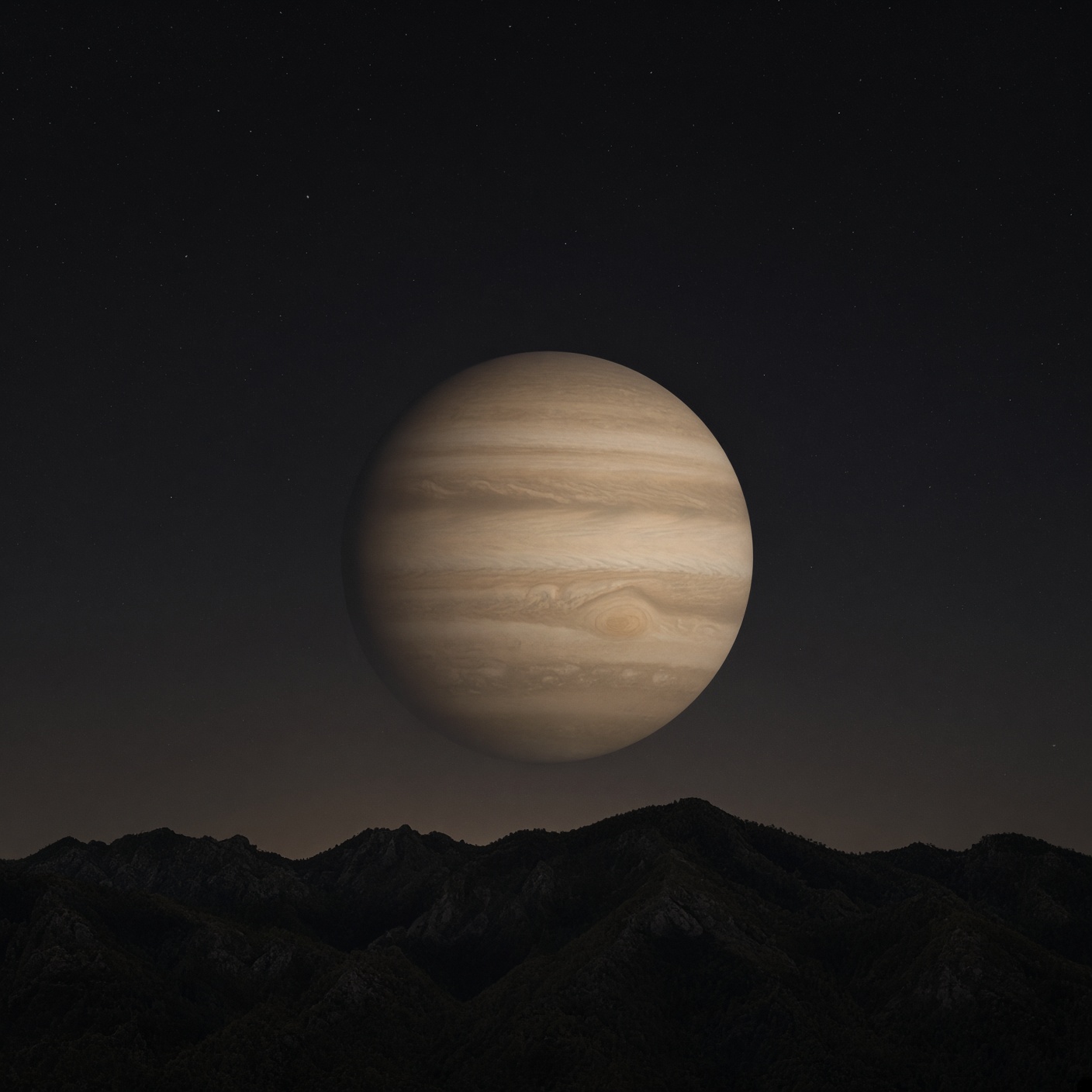
On 28 June 2025, his birthday, Jupiter stood at 4°20′ Cancer. The Vertex on the chart she was examining stood at almost the same coordinate. By then she recognized the degree immediately: her own rising coordinate was 4°20′ Scorpio, and she knew his long public play with 420.
The repetition did not tell her what the moment meant. It gave her something to investigate.
She later asked how often Jupiter stands at 4°20′ Cancer on that civil day. Across an Astro-Seek survey from about 100 to 2400 AD, two stations hold: 28 June 1693 and 28 June 2025.
CheckAstro-Seek · 1693 · local mean time
How is a degree allowed to feel like a kiss without becoming a certificate?
That inch of sky opened these pages.
Names
The first question was small and personal. She recognized a number and became curious enough to look. But the looking kept widening.
By July the lights were acquiring names: Rotanev and Sualocin, Izar, Thuban, Sirius. Then came Spica, Fomalhaut, Arcturus, Alhena, Canopus, Capella, Toliman, and others. They were no longer only points in tables. They became physical objects with distances, colors, spectra, companions, orbital histories, and ancient names. Some had guided ships. Some had once marked north. Some looked singular until instruments revealed another sun beside them.
And some had entered her language even earlier as metaphors, before she knew the particular stars she would later associate with them: a North Star, a lighthouse, ways of describing orientation and light before astronomy gave those images other names.
The later star does not explain the earlier metaphor.
The two moments are simply allowed to remain beside one another.
With ten fixed stars later gathered around love’s planet, another question appeared.
With ten stars on love’s planet: what story is your soul telling?
A year later · an echo
10:35 PM CST · 2 March 2026
Your words echo, my love: “Look up at the stars.”
Day 661. Not the same night. The words come back titled Look up at the Stars.